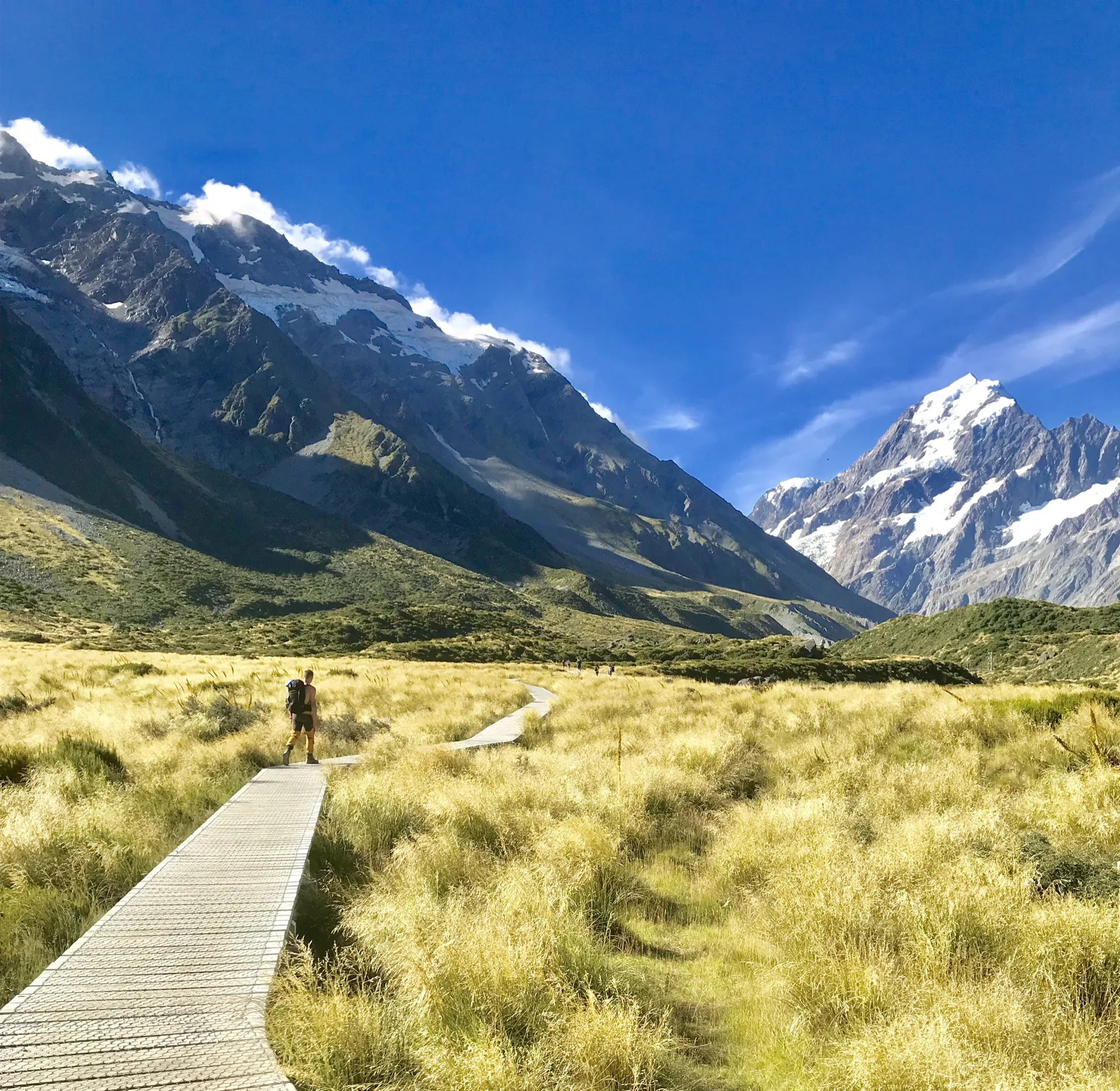
Japan

Old temples, bullet trains, and food that changes how you think about eating.

📍 Brandon visited Tokyo. Nick spent time in Kyoto. Their picks below.
Language
Japanese
English spoken in tourist areas + most train signage
Currency
Yen (¥)
Cash still preferred - carry bills
Visa
Visa-free (most passports)
90-day stays for US, UK, EU, AU, NZ
Best Time
Mar–May / Oct–Nov
Cherry blossom and autumn foliage seasons
Flight from LA
~11 hours
Direct from LAX, SFO, and NYC

Japan isn't what you expect. It's better.

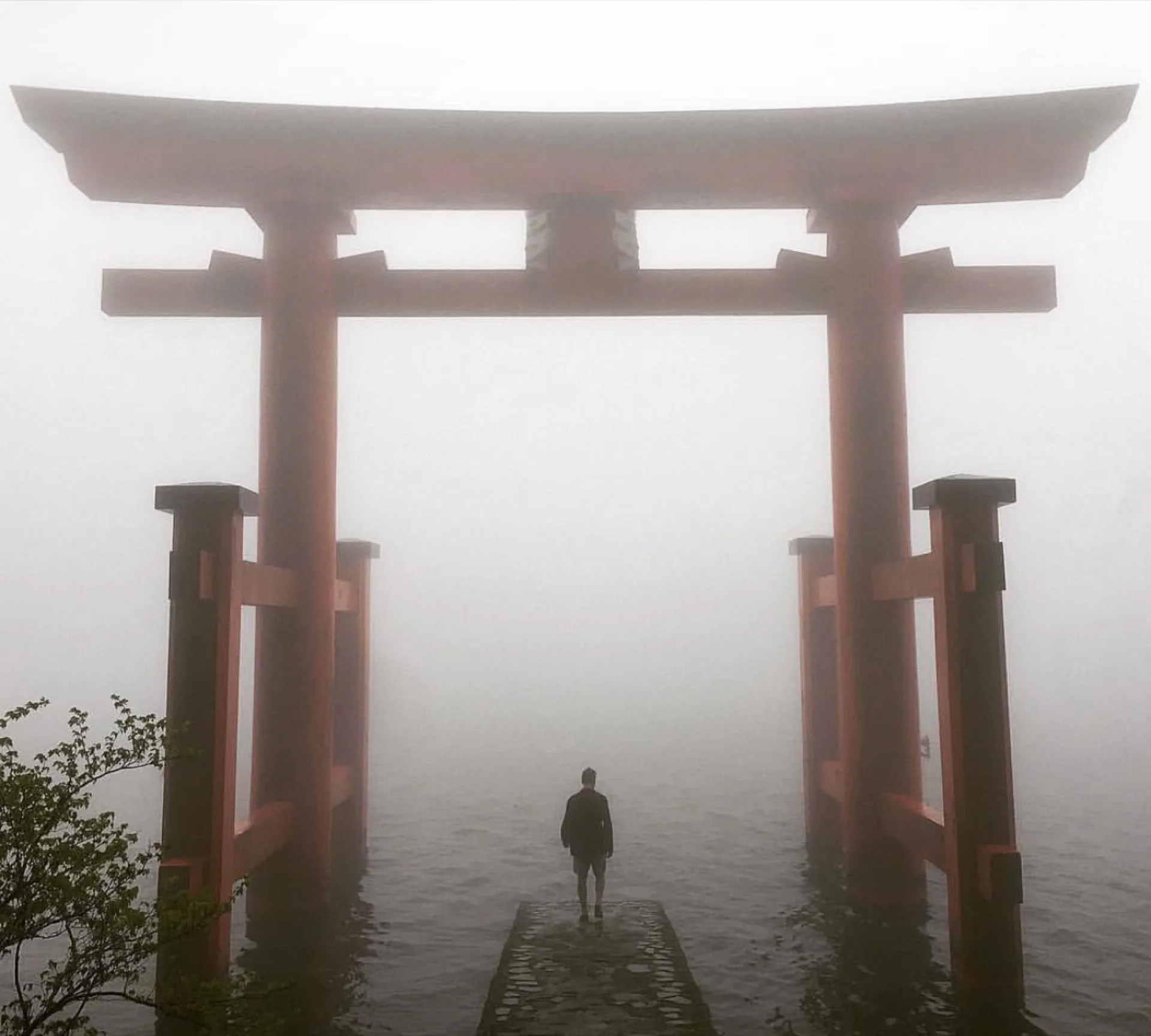
You've seen the photos - the torii gates, the neon streets, the snow-capped Fuji. None of that is fake. But what the photos don't prepare you for is the attention to detail in everything: the ramen bowl that takes three days to make, the train that apologises for arriving two minutes early, the 800-year-old temple tucked behind a 7-Eleven. Japan rewards curiosity at every scale.

Who is Japan for? Anyone who wants to feel genuinely awed by a place. It's not the cheapest destination in Asia - but it punishes no one for going. The infrastructure is world-class, safety is exceptional, and solo travellers (especially women) rate it among the most comfortable destinations on earth. Who might be disappointed? Travellers who need spontaneity - Japan rewards planning more than anywhere we've been.

Where to Go in Japan

We cover four cities. Here's what each is actually like.
Best Time to Visit Japan

Honest. No "all seasons are wonderful" hedging.

✓ We Recommend
Spring
March – May

Cherry blossom season (sakura) runs late March–early April. Cool temperatures, long days, and the most photogenic parks in the world. Book 3–6 months ahead - accommodation fills early. May is quieter and equally beautiful once the blossoms fade.

✓ Also Great
Autumn
October – November

Autumn foliage (koyo) turns the temples and mountains orange-red in November. Fewer crowds than spring, lower prices, perfect hiking weather. Nick's personal pick for Kyoto - the mountain shrines in autumn are something else.

⚠ Avoid if Heat-Sensitive
Summer
June – August

Hot, humid, and frequently approaching 35°C with high humidity. Typhoon season peaks in August–September. That said: summer festivals (matsuri) are spectacular. Go if you can handle the heat - avoid if you can't.

"I was prepared for Japan to be extraordinary. What I wasn't prepared for was how ordinary the extraordinary moments are there. A 7am temple, thirty people in silence, a monk raking gravel. Nobody photographing it. Just existing in it. I've never felt more at peace somewhere I didn't speak the language."

Nick Tisinger
Nick Tisinger
Co-founder, Escaped the 9 to 5

Getting Around Japan

Japan's transport is genuinely world-class. Here's what to use.

🚄
Shinkansen (Bullet Train)

Tokyo to Kyoto in 2h15m. Tokyo to Osaka in 2h30m. The JR Pass pays for itself if you're doing the Tokyo–Kyoto–Osaka–Hiroshima route. Buy before you arrive - it's significantly cheaper.

Book Shinkansen via 12Go →
🚇
Metro (IC Card)

Get a Suica or Pasmo IC card at any airport. Tap in and out of every metro, bus, and local train. Works for vending machines and convenience stores too. Load ¥3,000–5,000 and top up as needed.

Available at any train station
🚖
Taxi + Ride-Hailing

Taxis are clean and reliable but expensive - use for luggage situations or late nights. Uber operates in Japan but Grab doesn't. DiDi is available in some cities. For most daytime movement, stick to trains.

Uber available in major cities

Also Consider

If Japan is on the list, these belong on it too.

Want us to design your Japan trip?

We've built itineraries for first-timers who want to hit Tokyo, Kyoto, and Osaka, and for founders who want to add two weeks of Japan to a remote work stint. Tell us your style - we'll handle the rest.

Design My Trip →

Get the free Japan guide

Our city-by-city breakdown, transport tips, and restaurant list - no sponsored content, no fluff. Just what worked for us.

You're in - check your inbox!